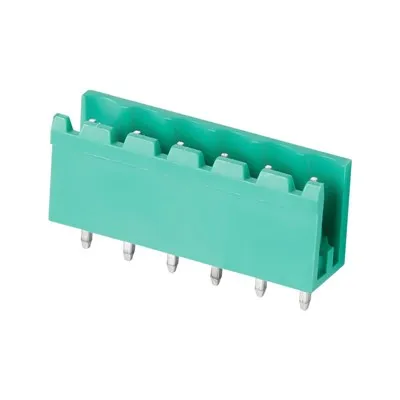

1. Determine Connection Requirements: Based on the connection relationships between circuit boards in the electronic equipment, determine the specifications, models, and quantities of the required pin headers and sockets.
2. Select Suitable Products: Based on the connection requirements, select pin headers and sockets with good performance that meet the usage requirements.
3. Install Pin Headers and Sockets: Insert the pin headers into the pad holes on the circuit board and solder them securely; fix the sockets to another circuit board or device.
4. Connect Circuit Boards: Connect the pin headers and sockets together, ensuring the connection between the circuit boards is correct and reliable.
5. Test and Debug: Test and debug the connected circuit to ensure the electronic equipment operates normally.
Summary: Pin headers and sockets, as common connector components in electronic equipment, are characterized by reliable connections and convenient installation. In the design and use of electronic equipment, the proper selection and use of pin headers and sockets helps improve the overall performance and stability of the equipment.