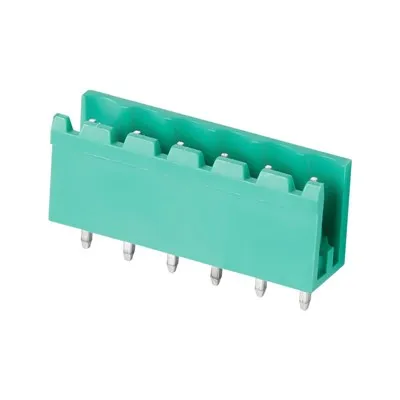

A pin is a metal lead used to connect circuit boards and other electronic devices. The following is a typical production process and procedure for pin headers:
1. Material Preparation: First, a suitable material is selected, typically high-quality brass or stainless steel. These materials have good conductivity and mechanical strength.
2. Stamping: Using specialized stamping machinery, metal strips are stamped into the desired shape. This process involves feeding the metal strip into a die, and then shaping it into the pin header shape through pressure and the action of the die.
3. Sharpening: Pin headers need sharp tips to easily insert into targets such as circuit boards. Therefore, in this step, the tips are ground and honed to achieve the required sharpness.
4. Plating: Next, the pin headers are metal-plated, typically using nickel, tin, gold, or other metals. The purpose of the plating is to provide resistance, corrosion resistance, and surface lubrication to ensure good connection and insertion/removal performance.
5. Quality Inspection: Quality inspections are performed at various stages of the production process to ensure that the pin headers meet specifications. Inspection includes visual inspection, dimensional measurement, and resistance testing.