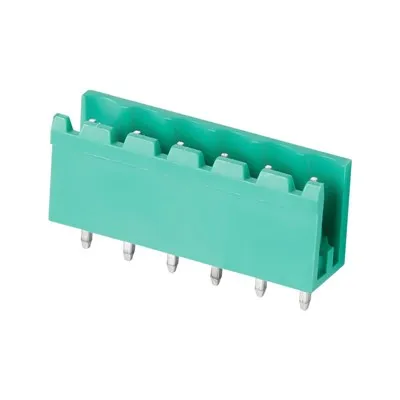

The applications of busbars are very broad, mainly involving electronics, electrical appliances, and instrumentation. Here are some typical application scenarios for busbars:
Smart Meters: Circuit boards in smart meters need to connect various electronic components, such as voltage sensors, current sensors, and power factor sensors. Busbars can be used to connect these components and circuit boards, achieving fast and stable connections.
Automotive Electronics: Circuit boards in automotive electronic systems need to connect various sensors and actuators. Busbars can be used to achieve these connections. For example, automotive engine control modules and ABS control modules can be connected using busbars.
Communication Equipment: Circuit boards in communication equipment need to connect various signal lines and cables. Busbars can be used to achieve these connections. For example, routers, switches, and base stations can be connected using busbars.
Industrial Control: Various devices in industrial control require connections to numerous cables and sensors. Busbars can be used to achieve fast and stable connections. For example, PLC control cabinets and inverter cabinets can be connected using busbars.
Smart Home: Various devices in smart homes require connections to various cables and sensors. Busbars can be used to achieve fast and stable connections. For example, intelligent lighting systems and intelligent security systems can both use busbars for connection. In general, busbars have a very wide range of applications, covering various fields such as electronics, electrical appliances, and instrumentation. Their main function is to achieve fast and stable connections between circuit boards, cables, and sensors and circuit boards, thereby improving production efficiency and product quality.