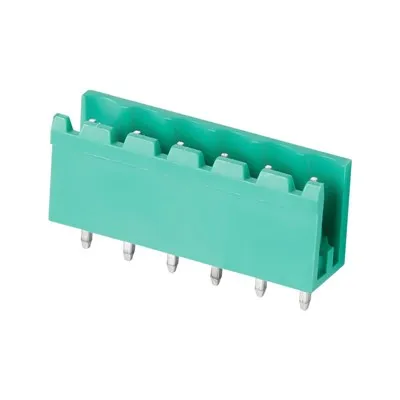

Screw-type terminal blocks play a crucial role in electrical and electronic equipment. Their primary task is to establish electrical connections, enabling the smooth transmission of current or electrical signals from one point to another. Specifically, screw-type terminal blocks have the following key functions:
Connecting conductive components: Screw-type terminal blocks easily connect wires, conductors, or cables to various conductive components of electrical equipment, such as circuit boards, terminals, sockets, switches, and sensors.
Ensuring electrical connections: By tightening the screw, screw-type terminal blocks firmly clamp the wire, ensuring an efficient electrical connection. This connection method is essential for the smooth transmission of current between electronic components and is fundamental to the normal operation of circuits or electrical systems.
Easy maintenance: Their design makes the installation and removal of wires relatively simple, greatly facilitating equipment maintenance, repair, and wire replacement.
Wide applicability: Screw-type terminal blocks are suitable for various types and specifications of wires, thus enabling their wide application in different electrical situations, from low-voltage, low-current circuits to high-voltage, high-current power applications.
Reliability assurance: Screw-type terminals typically provide a secure physical connection that is not prone to loosening or disconnection, thus effectively ensuring the stability and reliability of the circuit.