


Hey there! As a supplier of Entrelec Terminal Blocks, I often get asked about the grounding method of these nifty little devices. So, I thought I'd sit down and write a blog post to share what I know.
First off, let's talk about why grounding is so important. Grounding is like the safety net for your electrical systems. It provides a path for electrical current to flow safely into the ground in case of a fault, like a short circuit. This helps prevent electrical shocks, protects your equipment from damage, and reduces the risk of fires.
Now, when it comes to Entrelec Terminal Blocks, there are a few different grounding methods you can use. The choice of method depends on a few factors, like the type of terminal block, the electrical system you're working with, and the specific requirements of your application.
Direct Grounding
One of the simplest and most common grounding methods is direct grounding. With this method, you connect the terminal block directly to the ground using a grounding wire. The grounding wire should be of an appropriate size and material to handle the electrical current in case of a fault.
To do this, you'll need to identify the grounding terminal on the Entrelec Terminal Block. This is usually marked with a symbol or a label. Then, you can use a suitable wire connector, like a screw terminal or a crimp connector, to attach the grounding wire to the terminal. Make sure the connection is tight and secure to ensure good electrical conductivity.
Direct grounding is a great option for many applications, especially those where the terminal block is located close to a grounding point. It provides a straightforward and reliable way to ensure that the terminal block is properly grounded.
Grounding Through a Ground Bus
Another option is to ground the terminal block through a ground bus. A ground bus is a common connection point for multiple grounding conductors. It provides a central location for grounding and helps to ensure that all components in the electrical system are grounded properly.
To use this method, you'll need to connect the grounding terminal of the Entrelec Terminal Block to the ground bus using a grounding wire. The ground bus should be connected to a reliable grounding point, like a grounding rod or a building's grounding system.

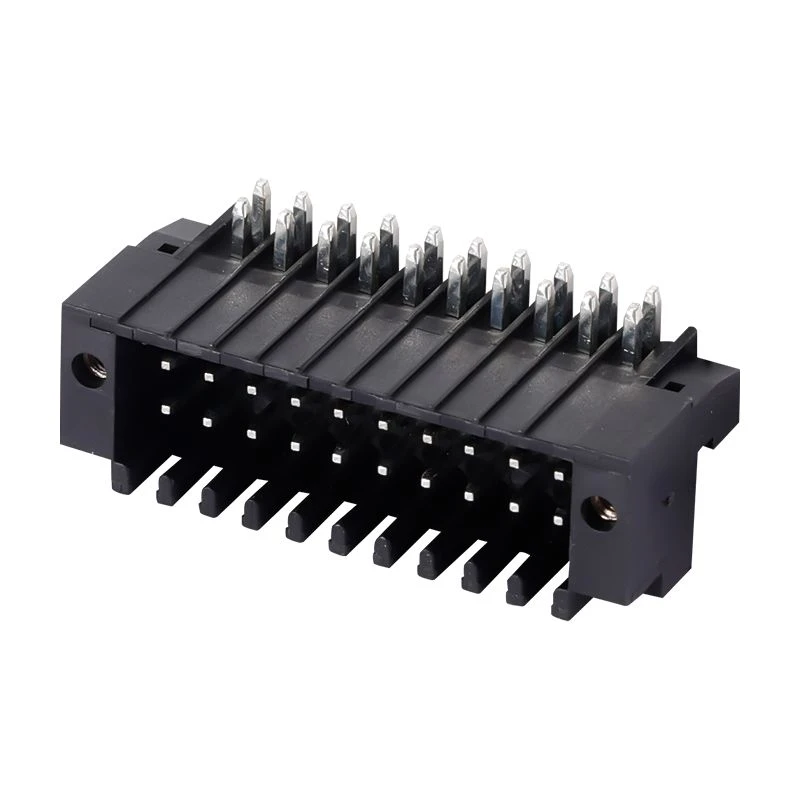
Grounding through a ground bus is often used in larger electrical systems where there are multiple terminal blocks and other components that need to be grounded. It helps to simplify the grounding process and provides a more organized and efficient way to manage the grounding of the system.
Grounding with a Grounding Lug
In some cases, you may need to use a grounding lug to connect the terminal block to the ground. A grounding lug is a metal connector that is designed to provide a secure and reliable connection between the terminal block and the grounding wire.
To use a grounding lug, you'll need to attach it to the grounding terminal of the Entrelec Terminal Block using a suitable fastener, like a screw or a bolt. Then, you can connect the grounding wire to the grounding lug using a wire connector.
Grounding with a grounding lug is a good option when you need to make a more permanent and secure connection between the terminal block and the ground. It's often used in applications where the terminal block is subject to vibration or other mechanical stresses.
Choosing the Right Grounding Method
So, how do you choose the right grounding method for your Entrelec Terminal Block? Here are a few things to consider:
- Electrical System Requirements: The type of electrical system you're working with will have a big impact on the grounding method you choose. For example, if you're working with a high-voltage system, you may need to use a more robust grounding method to ensure the safety of the system.
- Terminal Block Type: Different types of Entrelec Terminal Blocks may have different grounding requirements. Make sure you check the manufacturer's specifications to determine the appropriate grounding method for your specific terminal block.
- Application Requirements: The specific requirements of your application will also play a role in the grounding method you choose. For example, if you're working in a hazardous environment, you may need to use a grounding method that meets certain safety standards.
Examples of Entrelec Terminal Blocks
Now, let's take a look at some examples of Entrelec Terminal Blocks and how they can be grounded.
- 2EDGRC-7.5 Plug-in Type Terminal Block: This plug-in type terminal block is a popular choice for many applications. It can be grounded using any of the methods mentioned above, depending on the specific requirements of your system.
- 15EDGKA-3.81 Plug-in Type Terminal Block: Another plug-in type terminal block, the 15EDGKA-3.81, offers a reliable and easy-to-use solution for electrical connections. It can also be grounded using direct grounding, grounding through a ground bus, or grounding with a grounding lug.
- 15EDGERM-2.54 Pluggable Terminal Block: This pluggable terminal block is designed for easy installation and maintenance. It can be grounded in the same way as the other terminal blocks, depending on your needs.
Conclusion
In conclusion, grounding is an essential part of using Entrelec Terminal Blocks safely and effectively. By choosing the right grounding method and ensuring that the terminal block is properly grounded, you can help to prevent electrical hazards and protect your equipment.
If you're still not sure which grounding method is right for your application, or if you have any other questions about Entrelec Terminal Blocks, don't hesitate to reach out. I'm here to help you find the best solution for your needs. Whether you're a small business owner or a large industrial manufacturer, I can provide you with the expertise and support you need to make the right choices for your electrical systems.
So, if you're in the market for Entrelec Terminal Blocks or need advice on grounding methods, get in touch with me. Let's start a conversation and see how we can work together to meet your requirements. I look forward to hearing from you!
References
- Electrical Installation Handbook, Schneider Electric
- National Electrical Code (NEC), National Fire Protection Association (NFPA)


