


How to Push a Project that has a Different Access Level in Terminal
When dealing with projects that have different access levels in the terminal, it's crucial to understand the underlying mechanisms and strategies to ensure a smooth and efficient process. As a Push in Terminal supplier, I've encountered various scenarios where clients face challenges in pushing projects with distinct access requirements. In this blog, I'll share some insights and practical tips on how to handle such situations effectively.
Understanding Different Access Levels
Before we dive into the strategies for pushing projects, it's essential to understand what different access levels mean in the context of the terminal. Access levels determine what actions a user can perform within a system or on a particular project. These levels can range from read - only access, where a user can only view the project files, to full administrative access, which allows for complete control over the project, including making changes, deleting files, and managing user permissions.
In a project with multiple stakeholders, different access levels are often assigned based on roles and responsibilities. For example, developers may have write access to the source code, while quality assurance engineers may only need read - only access to test the application. Understanding these access levels is the first step in successfully pushing a project in the terminal.
Challenges in Pushing Projects with Different Access Levels
One of the main challenges in pushing a project with different access levels is ensuring that the right people have the appropriate permissions to perform the necessary actions. For instance, if a developer tries to push changes to a repository but has only read - only access, the push operation will fail. This can lead to delays in the project timeline and frustration among team members.
Another challenge is maintaining security. In a project with sensitive information, it's crucial to restrict access to only authorized personnel. However, this can make it difficult to push changes in a timely manner, especially if the approval process for access is lengthy.
Strategies for Pushing Projects
- Role - Based Access Control (RBAC)
Implementing RBAC is an effective way to manage access levels in a project. With RBAC, access rights are assigned based on roles within the organization. For example, a project manager may have full access to all project resources, while a junior developer may have limited access to specific modules.
To implement RBAC in the terminal, you can use tools like Git, which allows you to set different access levels for different branches and repositories. For example, you can create a protected branch that only senior developers can push to, while junior developers can push changes to a development branch.
- Use of Access Tokens
Access tokens are a secure way to grant temporary access to a project. Instead of sharing passwords, which can be compromised, access tokens can be generated and provided to users with specific access requirements.
For example, if a third - party contractor needs to access a project for a limited time, you can generate an access token with the appropriate permissions. The contractor can then use this token to push changes to the project in the terminal.
- Regular Auditing and Monitoring
Regularly auditing and monitoring access levels is essential to ensure that the right people have the right access. This can help identify any unauthorized access attempts and prevent security breaches.
You can use tools like GitLab or GitHub, which provide detailed logs of all access and push operations. By reviewing these logs regularly, you can ensure that access levels are being used appropriately and make any necessary adjustments.
Our Terminal Blocks for Project Pushing
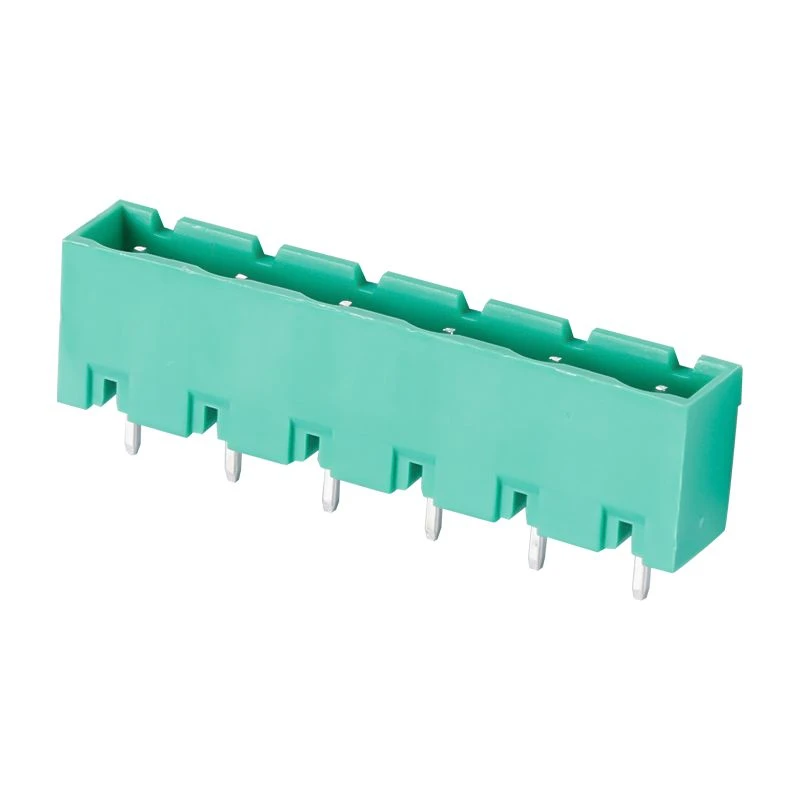
As a Push in Terminal supplier, we offer a range of high - quality terminal blocks that can enhance the efficiency of your project pushing process. Our terminal blocks are designed to provide reliable connections and support different access levels.
For example, the 15EDGRKM - 3.81 Pluggable Terminal Block is a versatile option that can be easily integrated into your existing system. It offers secure connections and is suitable for projects with different access requirements.
The 2EDGVC - 7.62 Plug - in Type Terminal Block is another great choice. It provides a high - capacity connection and is designed for projects that require a robust terminal solution.
If you're looking for a more compact option, the 15EDGR - 3.5 Plug - in Type Terminal Block is an excellent choice. It offers a reliable connection in a small form factor, making it ideal for projects with limited space.

Contact Us for Procurement
If you're interested in our terminal blocks or need more information on how to push projects with different access levels in the terminal, we're here to help. Our team of experts can provide you with detailed product information, technical support, and guidance on implementing the best solutions for your project.
We understand that every project is unique, and we're committed to providing customized solutions that meet your specific needs. Whether you're a small startup or a large enterprise, we have the products and expertise to support your project pushing requirements.
Conclusion
Pushing a project that has a different access level in the terminal can be challenging, but with the right strategies and tools, it can be a seamless process. By understanding access levels, implementing RBAC, using access tokens, and regularly auditing and monitoring access, you can ensure that your project is pushed efficiently and securely.
Our range of terminal blocks is designed to support your project pushing needs, providing reliable connections and enhancing the overall efficiency of your project. If you're ready to take your project to the next level, don't hesitate to contact us for procurement and start a discussion on how we can support your project.
References
- Git Documentation: https://git-scm.com/doc
- GitHub Documentation: https://docs.github.com/
- GitLab Documentation: https://docs.gitlab.com/


