


In the realm of electrical connections, quick connector terminal blocks stand as crucial components, facilitating seamless and efficient power and signal transmission. As a dedicated supplier of quick connector terminal blocks, I understand the paramount importance of reliability in these products. A reliable terminal block not only ensures the smooth operation of electrical systems but also enhances safety and reduces maintenance costs. In this blog post, I will share some effective strategies on how to increase the reliability of a quick connector terminal block.
1. Material Selection
The choice of materials plays a fundamental role in determining the reliability of a quick connector terminal block. High - quality materials can withstand harsh environmental conditions, mechanical stress, and electrical currents without significant degradation.
- Conductive Materials: For the conductive parts of the terminal block, such as the contacts, materials with high electrical conductivity and corrosion resistance are essential. Copper and its alloys are commonly used due to their excellent electrical properties. For example, phosphor - bronze offers good spring properties, corrosion resistance, and electrical conductivity, making it suitable for spring - type contacts in terminal blocks. These contacts need to maintain a stable connection over time, and the use of high - quality conductive materials ensures low resistance and minimal power loss.
- Insulating Materials: Insulating materials should have high dielectric strength, good mechanical properties, and resistance to heat, chemicals, and moisture. Polycarbonate is a popular choice for terminal block housings. It has high impact strength, good dimensional stability, and can withstand a wide range of temperatures. This helps to prevent electrical leakage and short - circuits, which are major threats to the reliability of the terminal block.
2. Design Optimization
A well - designed quick connector terminal block can significantly improve its reliability. Several aspects of the design need to be carefully considered.
- Contact Design: The design of the contacts is crucial for a reliable electrical connection. Spring - type contacts, like those found in 142R - 5.08 PCB Spring Terminal Block, are designed to provide a constant and stable clamping force on the wires. This ensures a low - resistance connection that can withstand vibrations and mechanical shocks. The shape and structure of the contacts also affect their performance. For example, contacts with a large contact area can reduce the contact resistance and heat generation, improving the overall reliability of the terminal block.
- Housing Design: The housing of the terminal block should be designed to protect the internal components from external factors. It should have proper cable entry points to ensure that the wires are correctly inserted and secured. Additionally, the housing should be designed to prevent the ingress of dust, moisture, and other contaminants. Some terminal blocks are designed with a sealed or waterproof housing, which is especially important in outdoor or harsh industrial environments.
3. Manufacturing Quality Control
Strict manufacturing quality control is essential to ensure the reliability of quick connector terminal blocks.
- Precision Manufacturing: During the manufacturing process, precise machining and assembly are required to ensure that the terminal block meets the specified standards. For example, the dimensions of the contacts need to be highly accurate to ensure a proper fit with the wires. Any deviation in the dimensions can lead to a loose connection or increased resistance. Advanced manufacturing techniques, such as precision stamping and injection molding, can be used to achieve high - precision parts.
- Testing and Inspection: Every terminal block should undergo rigorous testing and inspection before leaving the factory. Electrical tests, such as continuity testing and insulation resistance testing, can detect any potential electrical problems. Mechanical tests, such as vibration and shock tests, can evaluate the ability of the terminal block to withstand mechanical stress. For example, a terminal block may be subjected to a series of vibration tests to ensure that the contacts remain stable and the connection does not loosen.
4. Environmental Considerations
The environment in which the quick connector terminal block operates can have a significant impact on its reliability.
- Temperature and Humidity: Extreme temperatures and high humidity can cause the materials in the terminal block to expand, contract, or corrode. Terminal blocks should be designed to operate within a specific temperature and humidity range. For example, in high - temperature environments, materials with high heat resistance should be used. In humid environments, terminal blocks with moisture - resistant coatings or sealed housings can be employed.
- Chemical Exposure: In some industrial applications, terminal blocks may be exposed to chemicals such as solvents, acids, or alkalis. These chemicals can damage the insulating and conductive materials. Therefore, terminal blocks should be made of materials that are resistant to chemical corrosion.
5. Installation and Maintenance
Proper installation and maintenance are also key factors in ensuring the reliability of quick connector terminal blocks.
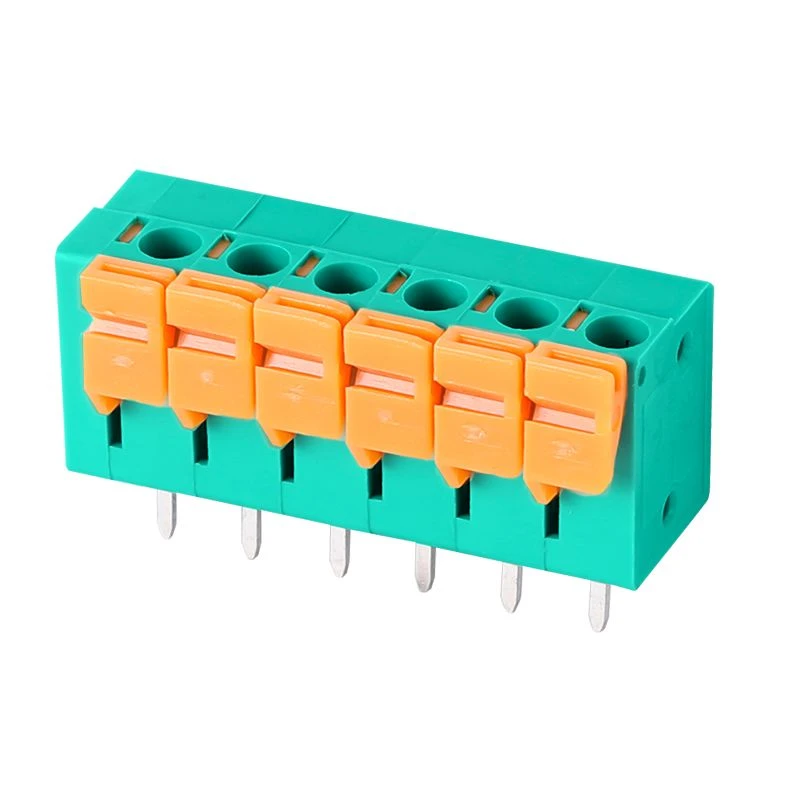

- Correct Installation: During installation, it is important to follow the manufacturer's instructions carefully. The wires should be inserted correctly into the terminal block, and the clamping force should be adjusted properly. Incorrect installation can lead to loose connections, overheating, and electrical failures. For example, if the wire is not fully inserted into the contact, the contact resistance will increase, which can cause the terminal block to overheat.
- Regular Maintenance: Regular maintenance can help to detect and prevent potential problems. Inspections should be carried out periodically to check for any signs of damage, such as loose connections, corrosion, or overheating. If any problems are detected, the terminal block should be repaired or replaced immediately.
Conclusion
Increasing the reliability of a quick connector terminal block requires a comprehensive approach that encompasses material selection, design optimization, manufacturing quality control, environmental considerations, and proper installation and maintenance. As a supplier, we are committed to providing high - quality terminal blocks that meet the highest standards of reliability. Our products, such as the 142V - 5.08 PCB Spring Terminal Block and M736L - 5.0 PCB Spring Terminal Block, are designed and manufactured with these principles in mind.
If you are in need of reliable quick connector terminal blocks for your electrical projects, we invite you to contact us for procurement and further discussions. We are ready to provide you with the best solutions and support to meet your specific requirements.
References
- Groover, M. P. (2010). Fundamentals of Modern Manufacturing: Materials, Processes, and Systems. Wiley.
- Dorf, R. C., & Bishop, R. H. (2011). Electrical Engineering Handbook. CRC Press.


