


When it comes to electrical installations, the question of whether instrument terminal blocks can be used in high - voltage applications is a crucial one. As a supplier of instrument terminal blocks, I've encountered this query numerous times from customers, and it's essential to explore this topic in detail.
Understanding Instrument Terminal Blocks
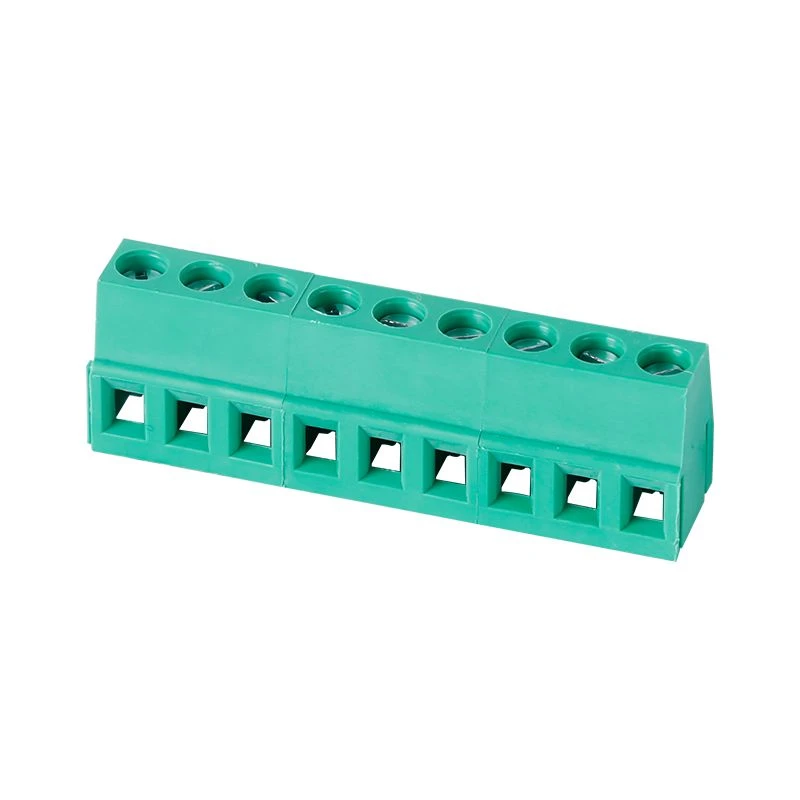
Instrument terminal blocks are designed to provide a secure and organized way to connect electrical wires. They are commonly used in control panels, instrumentation systems, and various electrical equipment. These blocks come in different types, such as screw - type, spring - clamp, and plug - in terminal blocks, each with its own advantages and applications.
For instance, the 137 - 15.0 Screw Type Terminal Block is a popular choice for many standard electrical connections. It offers a reliable connection through the use of screws to secure the wires in place. This type of terminal block is often used in low - to medium - voltage applications due to its simplicity and cost - effectiveness.

Characteristics of High - Voltage Applications
High - voltage applications typically involve electrical systems operating at voltages above 1000 volts (although the exact definition can vary depending on the industry). These applications require components that can withstand high electrical stress, prevent arcing, and ensure long - term reliability.
The main challenges in high - voltage applications include:
- Insulation Requirements: High - voltage systems need excellent insulation to prevent electrical breakdown. The insulation material used in terminal blocks must have a high dielectric strength to withstand the voltage without conducting electricity.
- Arcing and Corona Discharge: At high voltages, there is a risk of arcing between conductors and corona discharge, which can damage the components and pose a safety hazard. Terminal blocks need to be designed to minimize these risks.
- Mechanical Stress: High - voltage systems can generate significant mechanical forces due to electrical currents. Terminal blocks must be able to withstand these forces without loosening or failing.
Can Instrument Terminal Blocks Be Used in High - Voltage Applications?
The answer is not a simple yes or no. It depends on several factors:
- Voltage Rating: Instrument terminal blocks are typically rated for low - to medium - voltage applications. For example, the 127V - 5.08 PCB Screw Terminal Block is clearly rated for 127 volts, which is far below the typical high - voltage range. Using a terminal block with a voltage rating lower than the application voltage can lead to insulation breakdown, arcing, and potential system failure.
- Insulation Material: Some instrument terminal blocks use insulation materials that may not be suitable for high - voltage applications. High - voltage applications often require specialized insulation materials with high dielectric strength, such as ceramic or certain types of high - performance plastics.
- Design and Construction: High - voltage terminal blocks are designed with features to prevent arcing and corona discharge, such as longer creepage distances and larger air clearances. Standard instrument terminal blocks may not have these design features, making them unsuitable for high - voltage use.
However, there are some cases where instrument terminal blocks can be used in high - voltage applications:
- Low - Voltage Sub - Circuits: In a high - voltage system, there may be low - voltage sub - circuits that can use standard instrument terminal blocks. For example, the control circuits within a high - voltage power station may operate at low voltages and can use instrument terminal blocks.
- Specialized High - Voltage Instrument Terminal Blocks: Some manufacturers produce instrument terminal blocks specifically designed for high - voltage applications. These blocks have higher voltage ratings, better insulation materials, and improved designs to meet the requirements of high - voltage systems. The 128R - 5.0 PCB Screw Terminal Block might be one such option if it is rated for higher voltages and has the necessary insulation and design features.
Considerations for Using Instrument Terminal Blocks in High - Voltage Applications
If you are considering using instrument terminal blocks in high - voltage applications, here are some important considerations:
- Verify Voltage Rating: Always check the voltage rating of the terminal block and ensure it is suitable for the application. If the voltage rating is not clear, contact the manufacturer for more information.
- Insulation Testing: Conduct insulation resistance tests on the terminal blocks before installation to ensure they meet the required insulation standards.
- Follow Safety Standards: Adhere to all relevant safety standards and regulations when using terminal blocks in high - voltage applications. This includes proper grounding, use of personal protective equipment, and regular maintenance and inspection.
Benefits of Using the Right Terminal Blocks in High - Voltage Applications
Using the appropriate terminal blocks in high - voltage applications offers several benefits:
- Reliability: High - quality terminal blocks designed for high - voltage applications ensure a reliable electrical connection, reducing the risk of system failures and downtime.
- Safety: Properly designed terminal blocks help prevent arcing and electrical breakdown, improving the safety of the electrical system and the personnel working with it.
- Long - Term Performance: Terminal blocks with high - quality insulation and construction can withstand the harsh conditions of high - voltage applications over a long period, reducing the need for frequent replacements.
Conclusion
In conclusion, while standard instrument terminal blocks are generally not suitable for high - voltage applications, there are exceptions and specialized options available. As a supplier of instrument terminal blocks, I understand the importance of providing the right products for different applications. If you are involved in high - voltage projects, it is crucial to carefully evaluate the requirements and choose the appropriate terminal blocks.
If you have any questions about our range of terminal blocks or need assistance in selecting the right product for your high - voltage application, I encourage you to contact us for a detailed discussion. We are committed to providing you with the best solutions to meet your electrical connection needs.
References
- Electrical Installation Handbook, Schneider Electric
- High - Voltage Engineering: Theory and Practice, M. S. Naidu and V. Kamaraju
- Terminal Block Selection Guide, Industry Standards and Best Practices


